
16/07/2026
The Real Difference Between Buying and Financing Business Hardware
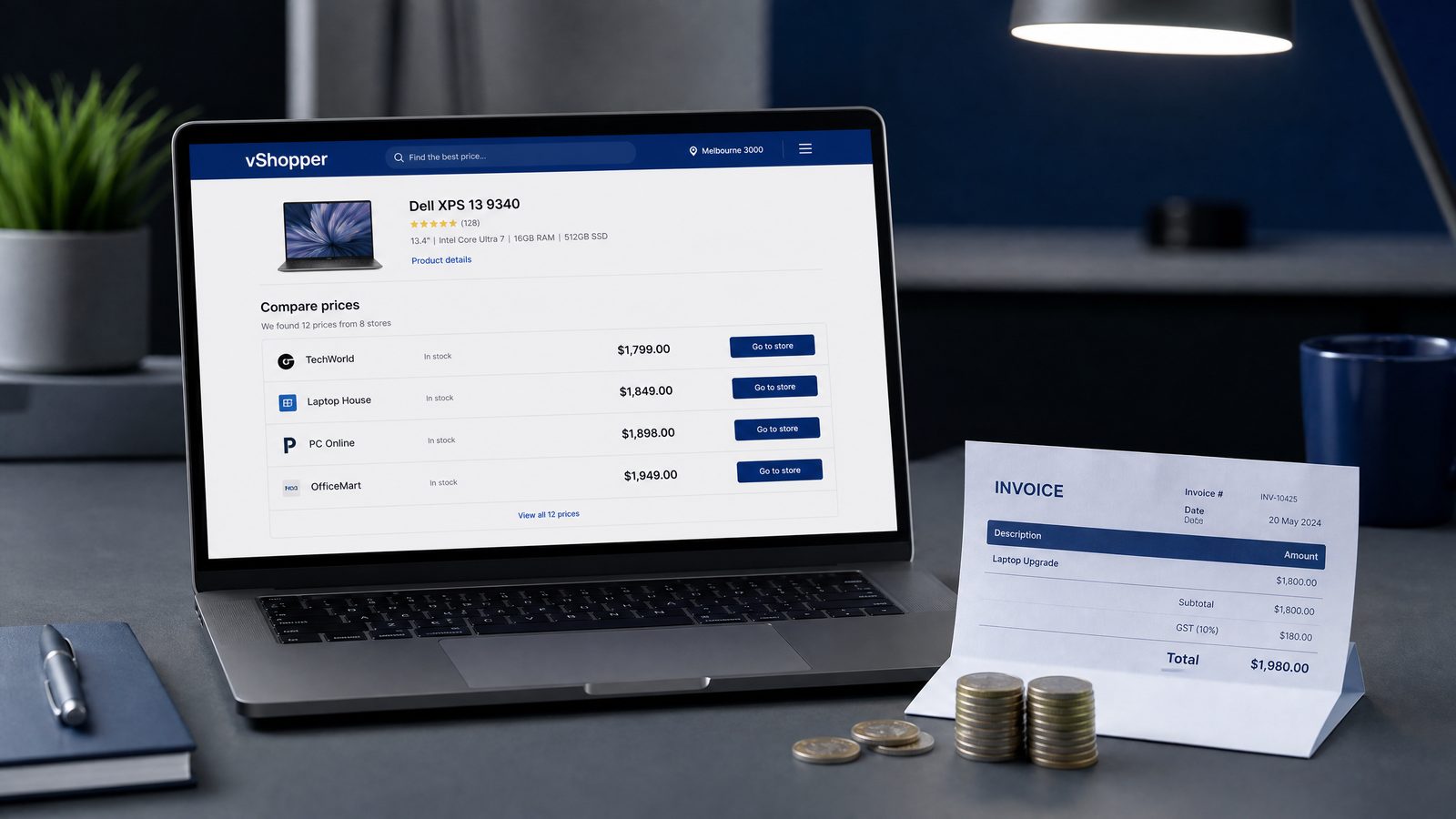
Buying a laptop outright feels like the responsible choice. No monthly payment, no term, no interest sitting on top of the price. It's also usually the more expensive option once you count what happens after the purchase.
A laptop bought outright is entirely your problem the day something goes wrong. Battery dies at month 14, no warranty left, you're paying full price for a replacement or a repair. Financed hardware usually comes bundled with support and replacement terms built into the monthly cost, so a failure is a phone call, not a fresh invoice.
There's a cash flow argument too, and it's the one most small businesses actually feel first. Several thousand rand upfront for one laptop is a real dent in a month's cash position. A monthly instalment spreads that same cost across three years, during which the business is, hopefully, earning enough from that laptop to justify it many times over. Outright purchase ties up capital that could be doing something else, stock, marketing, payroll, in a single asset that starts losing value the moment it's unboxed.
The counterargument is real too: financing over a long term can cost more in total than the upfront price, and a business with strong cash reserves and low urgency might genuinely prefer to own outright and avoid a multi-year commitment.
Which one's right depends on one question most businesses skip: what does your cash flow actually look like for the next three years, not just this month?